The margin nobody can size
The design was built with slack. Nobody knows how much of it the fouling has already eaten.
Heat exchangers and thermal
A thermal study for exchangers, heat sinks and panels: temperature at the critical point, margin to the limit and how long fouling takes to push the process out of band — with the uncertainty stated.
Studies run 4 to 10 weeks, depending on the scope. The quote is closed from the geometry, the fluid and the question — before any of the work.
Where it hurts
Three pains that bring a thermal study here — and what the number changes in the decision.
The design was built with slack. Nobody knows how much of it the fouling has already eaten.
By the time the reading leaves the band, the cleaning window has passed and the decision is an emergency.
Building a thermal test for every geometry is expensive and late, arriving after the design is closed.
In and out
Without these the study does not start; with them, the number comes with its validity range stated.
The proof
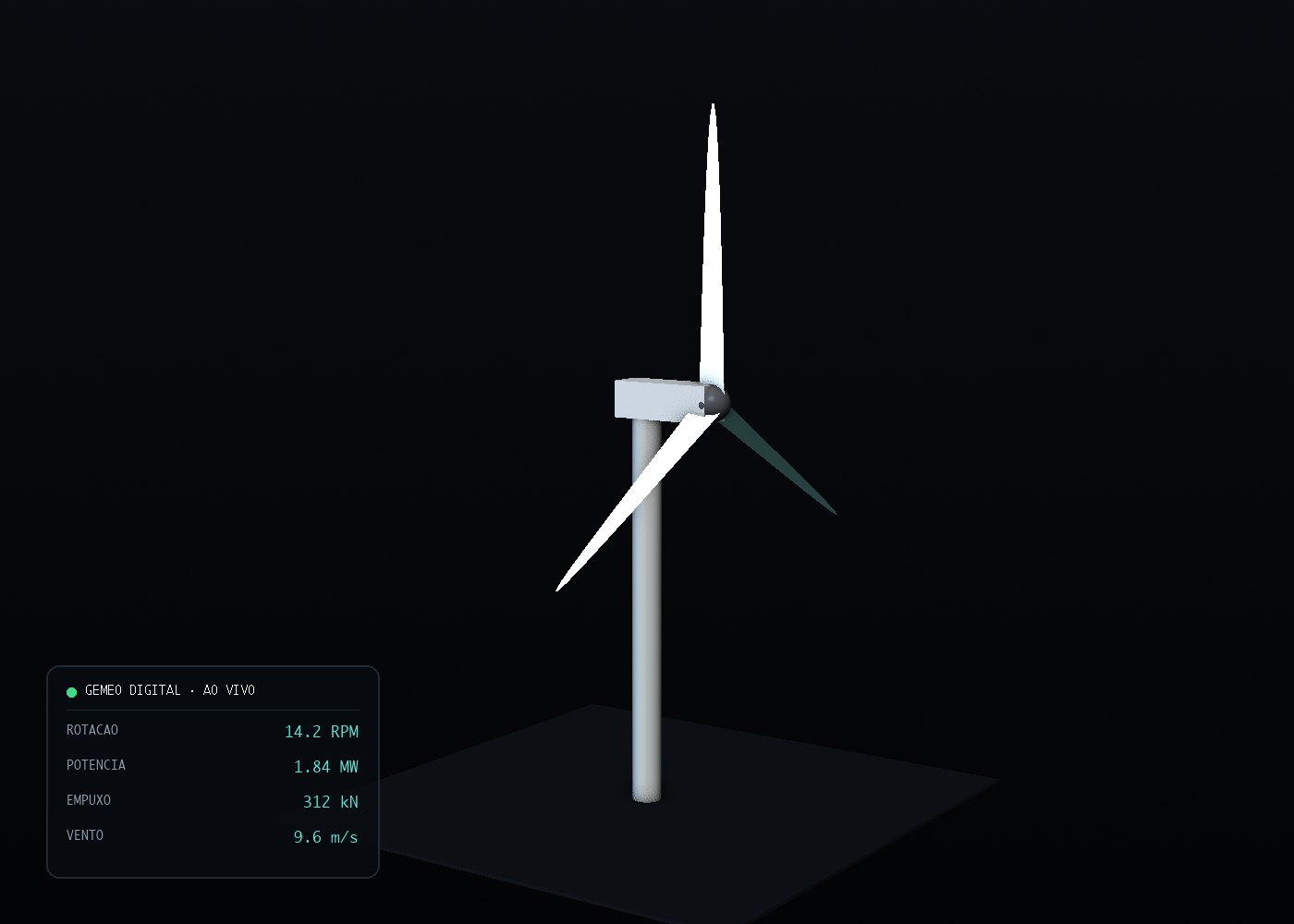
The asset in 3D with the live reading beside it — the shape of the twin that follows the exchanger in operation.
Seven geometries, one 3D solver and a surrogate at 4.46% mean error (7.35% worst case), inside the trained range.
An FNO at 1.7% error against finite volumes and a PDE residual of 0.164 against the 0.1 limit: the trust card said no, and the article shows why.
Read the full study → Example report (PDF) ↗ Example reports →
Deadline and price
Studies run 4 to 10 weeks, depending on the scope. The quote is closed from the geometry, the fluid and the question — before any of the work.
We clarify the challenge, available data, constraints, and success metrics.
We combine simulation, AI, and engineering tools in a reproducible pipeline.
We document evidence, uncertainty, limits of use, and project results.
Other segments
Let's build your solution
Talk to our team about Physics AI consulting or explore PINNeAPPle Studio for modeling and verification workflows.